
Congratulations Audubon Southwest!
Audubon Southwest was recently named one of the 2025 Migratory Bird Joint Venture Conservation Champions.

Audubon Southwest was recently named one of the 2025 Migratory Bird Joint Venture Conservation Champions.
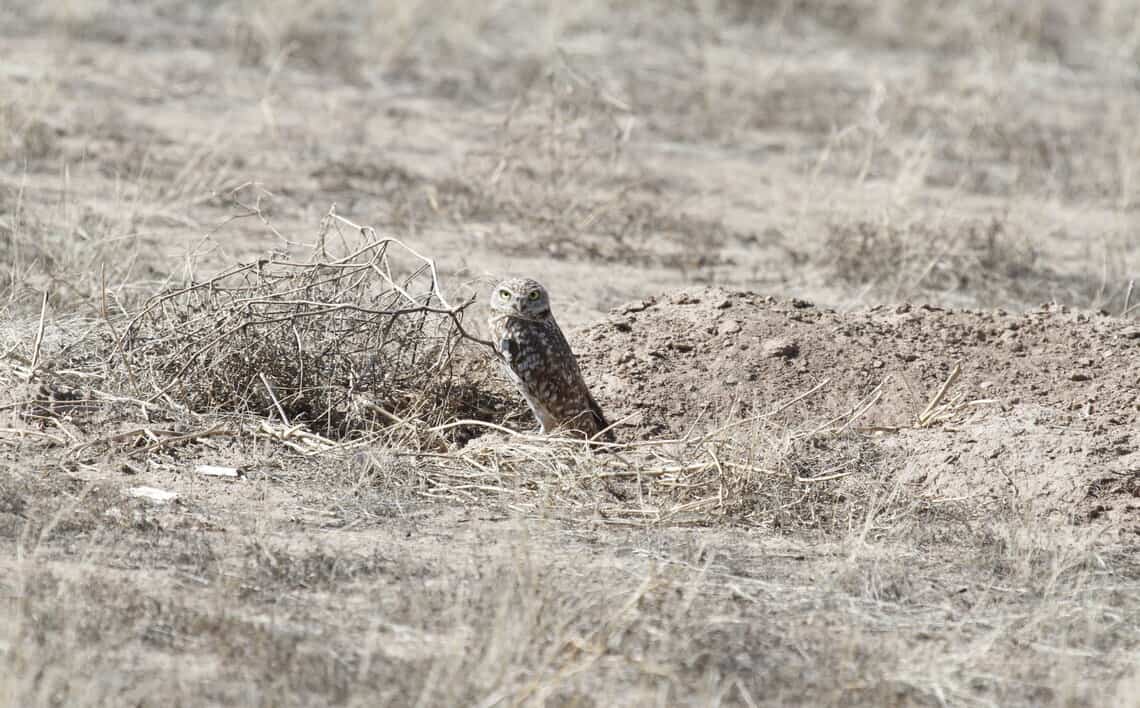
With rampant development in Arizona, small and charismatic Burrowing Owls are displaced from their homes. Through an intensive program of trapping, readjustment, and relocation, Wild At Heart creates new colonies for the owls by building artificial burrows in safe locations.
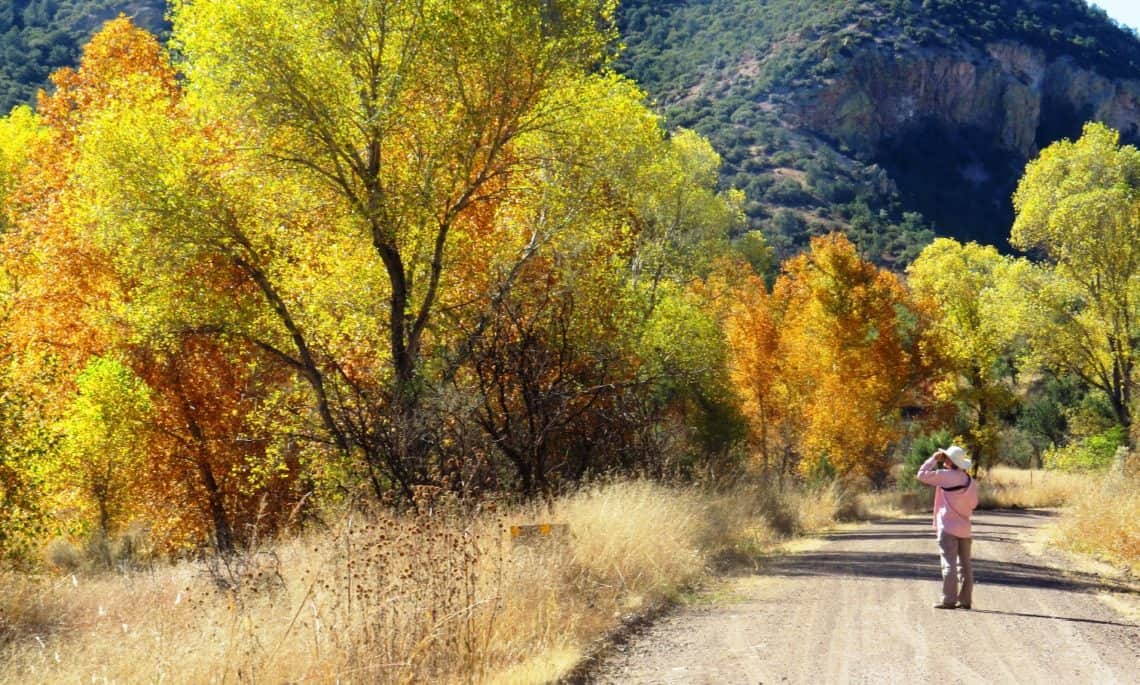
The Arizona Important Bird Areas Program is a collaborative partnership that works to protect critical bird habitat. This year, the program added four new additions: Patagonia Mountains, Tucson Mountains, Las Cienegas National Conservation Area, and the Tucson Sky Island Region.

Young people in Arizona are getting turned on to birding and bird conservation, thanks to a Heritage Fund Grant from the Arizona Game and Fish Department and the great work of Ironwood Tree Experience, Tucson Audubon, and the SJV.
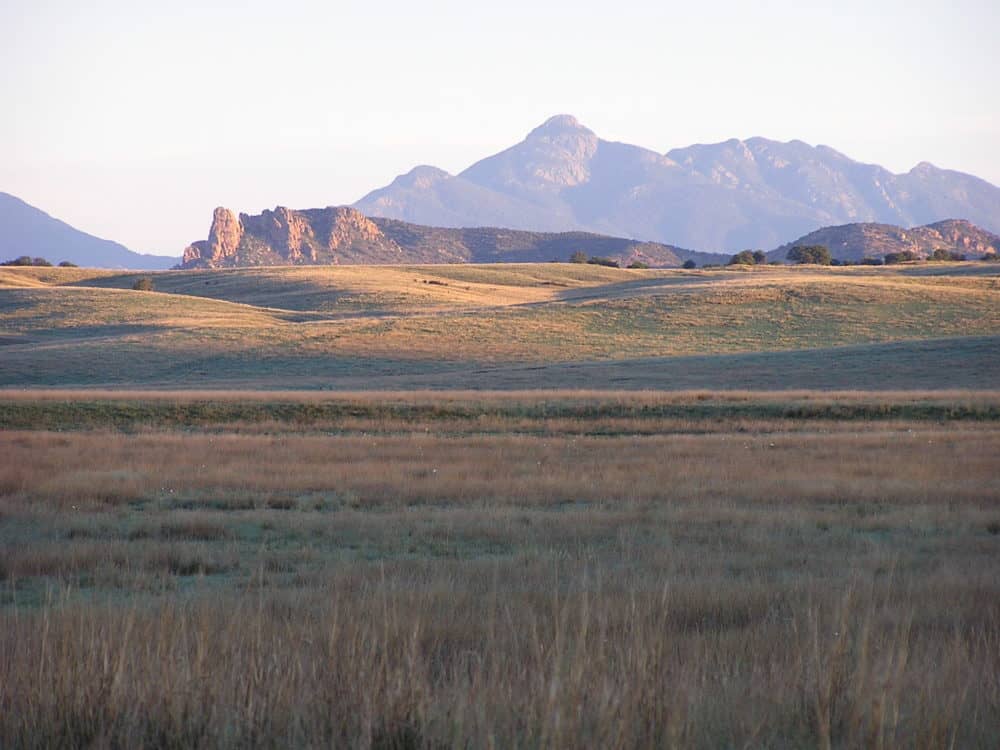
A 1973 article in American Birding Association’s American Birds about the urgent need for information about aridland bird habitats in the West reminds us that our work to monitor and conserve these habitats is more important than ever.

Former Sonoran Joint Venture Coordinator Robert Mesta combines his personal and professional passions as the coordinator of Liberty Wildlife’s Non-Eagle Feather Repository, helping to conserve birds and preserve Native American traditions.
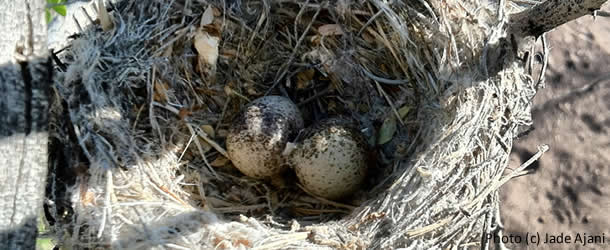
In 2005 various partners, under the umbrella of the Arizona Bird Conservation Initiative, began seriously discussing the need for a Coordinated Bird Monitoring Program in the state.
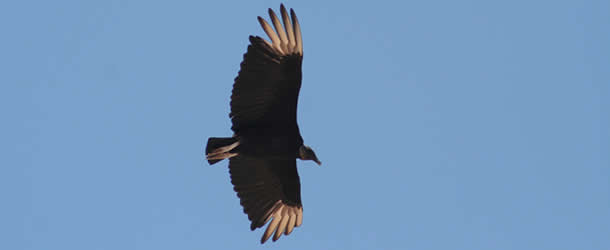
You might remember last year the SJV supported researchers from Hawk Mountain Sanctuary on their New World Vulture Project.

As part of the NCA process, the principal investigators of the Southwest Climate Science Center prepared a technical report and synthesis of current and projected climate change impacts specific to the southwest, entitled Assessment of Climate Change in the Southwest United States.
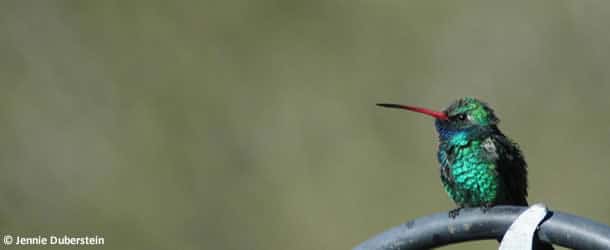
Paton’s Birder’s Haven, southeast Arizona’s mecca for thousands of birders worldwide, is now Tucson Audubon’s Paton Center for Hummingbirds.
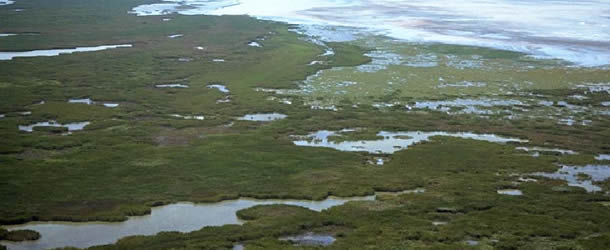
A large pulse of water is planned to be released into the Colorado River delta in Mexico.
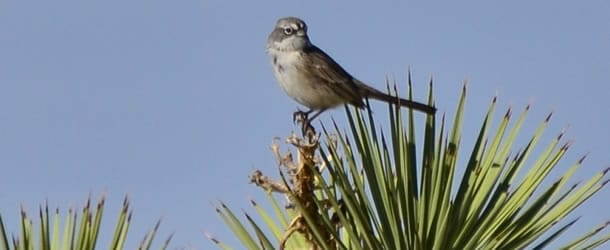
The American Ornithologists’ Union recently separated Sage Sparrow into two species: Bell’s Sparrow (Artemisiospiza belli) and Sagebrush Sparrow (Artemisiospiza nevadensis).
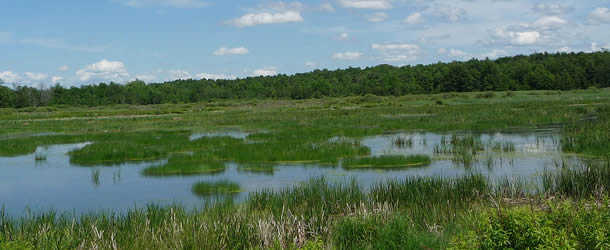
A new center hosted by the University of Arizona’s Institute of the Environment will link science with the needs of decision makers to offer innovative and practical management options
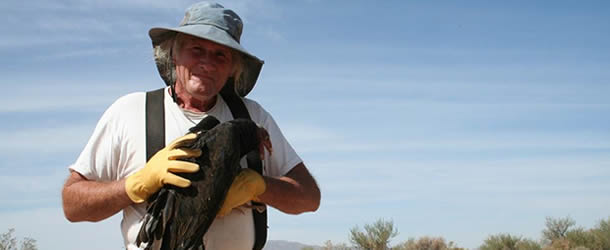
“Boots on the ground—4:15!!” Doug Loney’s booming voice echoed in our ears as we drove away from Desert Rat Studio, in Maricopa, Arizona. We were three days into a week of field work trapping Turkey Vultures as part of Hawk Mountain Sanctuary’s New World Vulture Project. From 1996-1997, SJV Education and Outreach Coordinator Jennie Duberstein … Read more
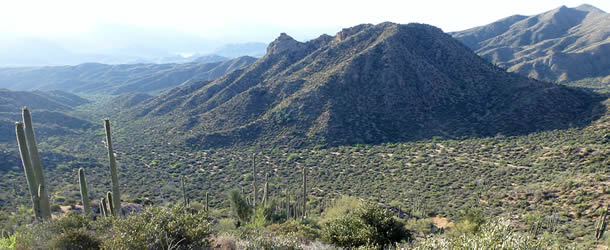
By John Arnett, Edwin Juarez and Kurt Licence The Sonoran Desert, an environment with blistering summer temperatures, frigid winter nights, and months of no precipitation, tests many of its residents to the thresholds of their physiological tolerances. Over 60 species of birds breed in this environment and many populations are naturally small and typically at … Read more
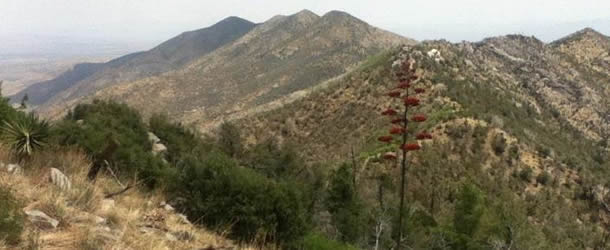
We are pleased to announce the recipients of the 2013 SJV Awards Program small grants. Congratulations to all recipients, and stay tuned in the months ahead to hear more about these important projects. Learn more about the SJV Awards Program on the SJV website, including details about projects we have funded in the past and … Read more
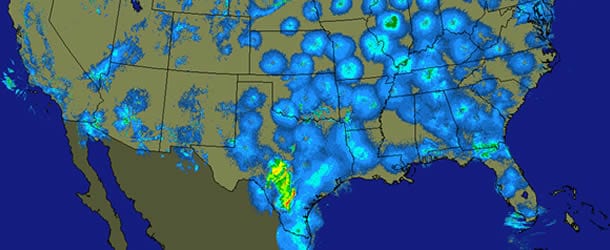
A new study (partially funded by the SJV) has been published by SJV partner Janet Ruth and colleagues in The Condor. They used radar and satellite land-cover data to determine the habitats with which birds are associated during migration stopover. Bird densities differed significantly by habitat type at all sites in at least one season. … Read more
The American Ornithologists’ Union recently separated Sage Sparrow into two species: Bell’s Sparrow (Artemisiospiza belli) and Sagebrush Sparrow (Artemisiospiza nevadensis).
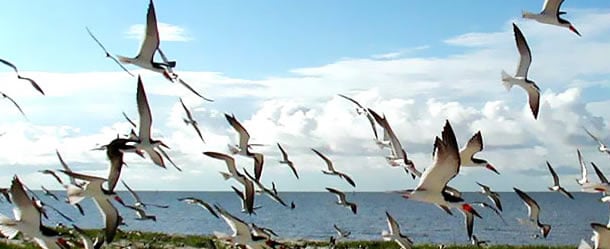
This report identifies best practices based on innovations and lessons learned from the years since SWAPs were developed. The best practices may be used voluntarily by state fish and wildlife agencies that aspire to improve conservation work and create greater consistency across SWAPs, thereby making them more relevant to partners and large landscape-level efforts. Download … Read more
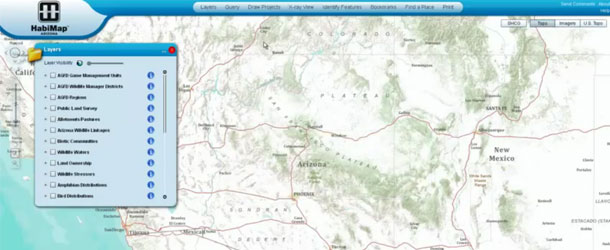
HabiMap™ Arizona is a user-friendly, web-based data viewer that allows users to visually explore the distribution of the state’s wildlife, wildlife conservation potential, and stressors to wildlife.